
The ancient story of ‘Nachiketa and Yama’ is often seen as the tale of the first spiritual seeker. This allegorical tale is found in the Katha Upanishad, one of the ten principal Upanishads. However, references to this story and of ‘Nachiketa’ are found in many other ancient Hindu texts as well. It is the story of a boy who was gifted to ‘Yama’ (the god of death) by his father. But instead of meeting his demise, he returns after conquering death itself and becomes a Jivanmukta (self-realized person).
Beginning
The story begins with a sage by the name of Vājashravasa, who was performing a “Yajna,” a fire sacrifice ritual where he took a vow to donate all his material possessions for the purpose of his spiritual well-being and to ensure his place in heavens upon his death. However, he only gave away the cows that were sick, the lands that was barren, and everything that he didn’t want. Seeing this lack of conviction in his father saddens Nachiketa, as he desires his father’s spiritual well-being. So, in order to correct his father’s mistakes, he asks his father, “I too am yours, to which God will you offer me?” His father initially ignores his question, but Nachiketa keeps pestering him during the ritual and Vājashravasa answers in a fit of rage and says, “I give you to Yama Himself!”
Nachiketa’s Determination
Nachiketa, keeping his father’s words, then goes to Yama’s abode, but the god of death is not there. So, for three days he waits, without food, without water, at Yama’s doorstep. The lord of death is also known as Dharmaraja – the righteous one, and he is known for his justice. When Yama returns after three days, he sees this little boy, totally famished and tired, but fully determined, waiting for him. Yama is very moved by this boy’s determination and grants him three boons in order to compensate for the injustice he caused to his guest.
Three Boons
For the first boon, Nachiketa asks for peace and prosperity for his father when he returns to him. Yama agrees. Next, he wishes to learn how to perform the rituals mentioned in the Vedas and gain good karma. Yama explains everything about ‘Yajna’ and ‘karma’ and how our good karma takes us to heaven. However, he also says that heaven is ephemeral and even tough the souls resides in heaven for a long long time but ultimately their pleasant stay at heaven must come to an ends. And they too have to come back to earth once again, thus continuing the cycle of birth and death. He also alludes that there is a way out of this cycle.
So, for his third and last boon, he asks Yama, “How one moves beyond the cycle of death and rebirth? What is the secret of death?” Yama first asks Nachiketa to take back this request and says, “You can ask me anything you want. You ask me for a kingdom if you want. I’ll give it to you. Riches if you want, I’ll give you. All the pleasures in the world, I’ll give you.” But Nachiketa says, “I don’t want material things as you yourself explained that these sense pleasures are ephemeral, transient, and fleeting, and would not last forever. So, no other boon would do.” Yama is secretly pleased with Nachiketa’s conviction for spiritual liberation. However Yama keeps trying to persuade Nachiketa to ask for something else but it all goes to vain. And finally he says, “Even all gods do not possess the knowledge about the secret of death. But I am pleased with your conviction and determination, so I will reveal the secret of death to you.”
Revelation
Then Yama gives the supreme knowledge to the boy and elaborates on the nature of the true ‘Self‘, which persists beyond the death of the body. And how the soul is eternal. He reveals the knowledge that one’s ‘Self‘ is inseparable from ‘Brahman‘, the supreme spirit, the vital force in the universe. Thus, having learned the wisdom of Brahman from Yama, Nachiketa returns to his father as a Jivanmukta.
Questions
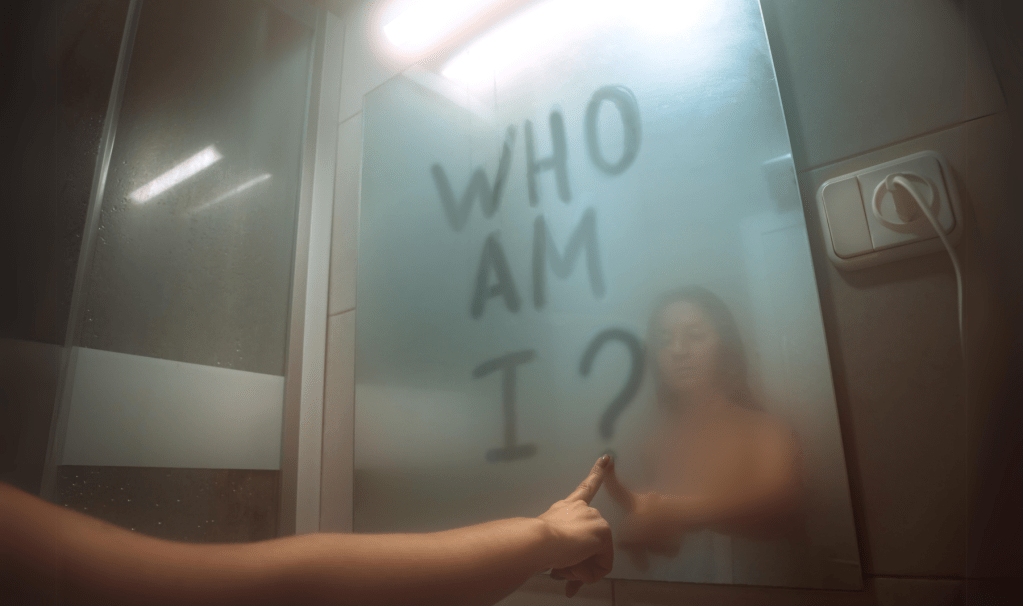
The story expounds some profound questions about ourselves and our true nature – Who are we? What happens after death? Who is the creator of the universe? How does one become free from the cycles of rebirth? What are the laws of karma and dharma? Is the pursuit of pleasure in life wrong? Can we ever fulfill all of our desires? Is there any end to this rat race of life or not? and many more such questions. What is amazing about all this is that even though the story is older than many millennia, these questions are still relevant and confound us to this day and age. So, ponder over these questions and see what your mind thinks.



 Curious Corner
Leave a comment