“Reality is merely an illusion, albeit a very persistent one.”
— Albert Einstein
We often see the world of fiction—a world of our imagination—as something out of our wildest dreams. But what if I told you that reality and fiction may have a lot more in common than you might have thought? In fact, I would go as far as to say that the realms of reality and fiction are actually two sides of the same coin. The world of imagination is as real as this materialistic world, which we all call “real.”
Blurry Lines
“Everything you can imagine is real.”
— Pablo Picasso
What makes this world real and that world of fiction unreal? Are the tears that flow down our cheeks in the middle of a heartbreaking movie unreal? Are the twinkles in our eyes while reading our favourite book unreal? Are the looks of wonder and awe on our faces when we gaze at a beautiful painting drawn on canvas unreal? If not, then where is the line that separates fiction from reality? These emotions are as real as this world, and we feel the same emotions in our lives when we mingle with the so-called “real” world.
Art and Society
The effect of fiction is not limited to our individual experiences but is true for our society at large as well. Art and works of fiction act as both—a mirror to society and an architecture of society. This is a two-way relationship where our imagination affects the world in the same way as our reality affects our imagination. It is actually a closed loop feeding off of each other.
“Art is not a mirror held up to society but a hammer with which to shape it.”
― Bertolt Brecht
Look at contemporary art—movies, books, plays, music, etc.—all will somewhere reflect the current state of affairs of society. This has been true throughout history. For example, consider Indian cinema. It has changed a lot in the last decade or two. The shift to more realistic storytelling, focused on everyday issues and societal challenges, is quite apparent. Now, the Indian audience is not interested in the unrealistic romance of the 2000s because the lives and expectations of people have changed from those of the past generation.
The collective imagination of a society drives scientific and technological innovation and also forms the bedrock for the future aspirations of that society. The present generation’s dreams, free from the shackles of the past, to go beyond basic needs. The rise of startup culture is the outcome of the collective imagination and entrepreneurial spirit of our present society, which is ready to take risks for its dreams.
Our Collective Imagination
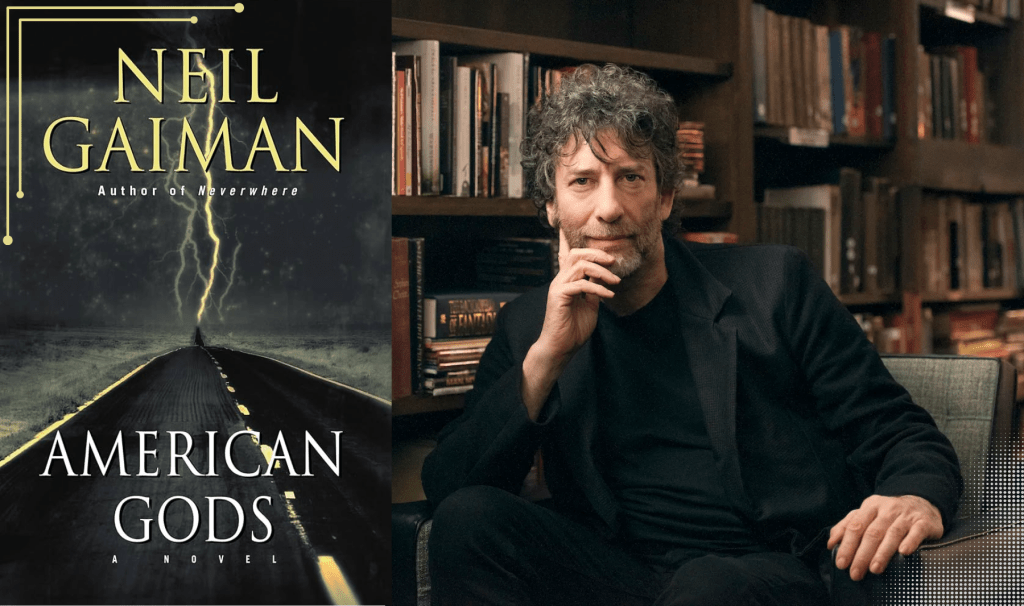
Let’s move a step beyond this and try to understand the power of collective imagination and how it not only shapes our society, but is actually a foundational pillar of human civilization. The idea of a ‘Nation’ does not come from the materialistic world we call “real” but from our imagination. And this idea has the power to change and remake the so-called “real” world. When enough people start to collectively believe in an idea, it manifests in the “real” world. This is how our imaginations shape the “real” world and how nations are born. This idea is beautifully illustrated in Neil Gaiman’s novel American Gods, where the central theme is that gods and mythological beings came into existence by the will and desire of people’s belief while also deriving their powers from collective beliefs.
Now, it is up to you to decide where the line that separates imagination from reality lies. Our belief systems, likes and dislikes, how we behave, our moral compass, and so many things that make us who we are—where do they come from? Are they a product of this so-called “reality” or our imagination? Think about it. Are you real or all made up of dream-stuff?



 Curious Corner
Leave a comment